Dental implants, from the CT scan to the final crown
We check your jawbone and gums with a CT scan first, then explain the treatment period, the number of visits, and the cost before treatment begins.
Book an implant consultation →
1.Implant treatment at a glance
| Treatment period | Usually 3–6 months from placement to crown |
|---|---|
| Visits | About 5–7 |
| Anesthesia | Local anesthesia |
| Placement | About 30–60 minutes per implant |
| Possible side effects | Swelling, bruising, and soreness for a few days; rarely, infection or an implant that does not bond to the bone |
2.When a missing tooth makes chewing hard
A gap from a missing tooth makes chewing harder on that side, and over time the teeth next to it can lean into the gap.
A bridge or a denture can also fill the gap. Which one suits you depends on the teeth beside it, the jawbone, and your general health.
3.How an implant is placed
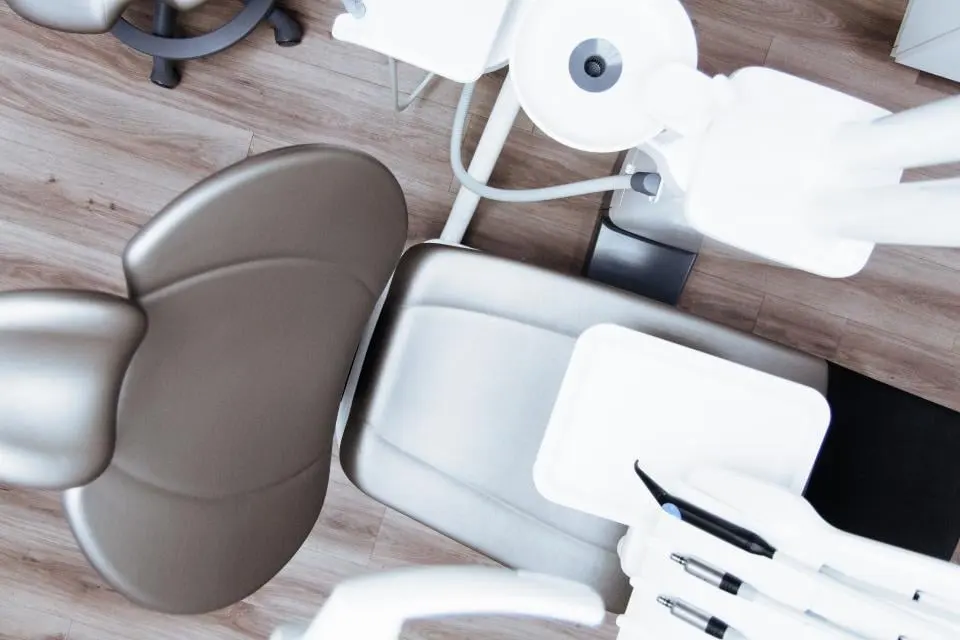
A titanium post goes into the jawbone where the tooth was. Once the bone has healed around it, a crown is fixed on top.
If the bone is too thin, a bone graft may be needed first, which adds a few months. Whether an implant suits you, and how long healing takes, differ from person to person.
An implant needs the same care as a natural tooth. After treatment we check it every six months.
4.Treatment steps
Consultation, oral exam, and CT scan.
We explain the treatment plan, the period, the number of visits, and the cost.
The implant post is placed under local anesthesia.
Healing for 2–4 months, with check visits in between.
Impressions are taken and the crown is fitted.
Check-ups every six months.
5.Questions about implants
5.1Can anyone have an implant?
Not always. It depends on your jawbone, your gums, and conditions such as diabetes. The dentist decides after the exam and CT scan.
5.2How do I look after an implant?
Brush and use interdental brushes as you would for natural teeth, and come in for a check-up every six months.
Contact the clinic
- Phone
- +1 555 0186
- implant@example.com
- Clinic hours
- Mon–Fri 9:30–18:30 · Sat 9:30–13:00