Measuring instrument spec sheet template — range and accuracy cited
Upload the datasheet, manual, and calibration notes for one instrument. LabChure turns them into a spec page with measuring range, resolution, accuracy, and operating conditions, each value cited to your documents. Send customers one link instead of a PDF they have to dig through.
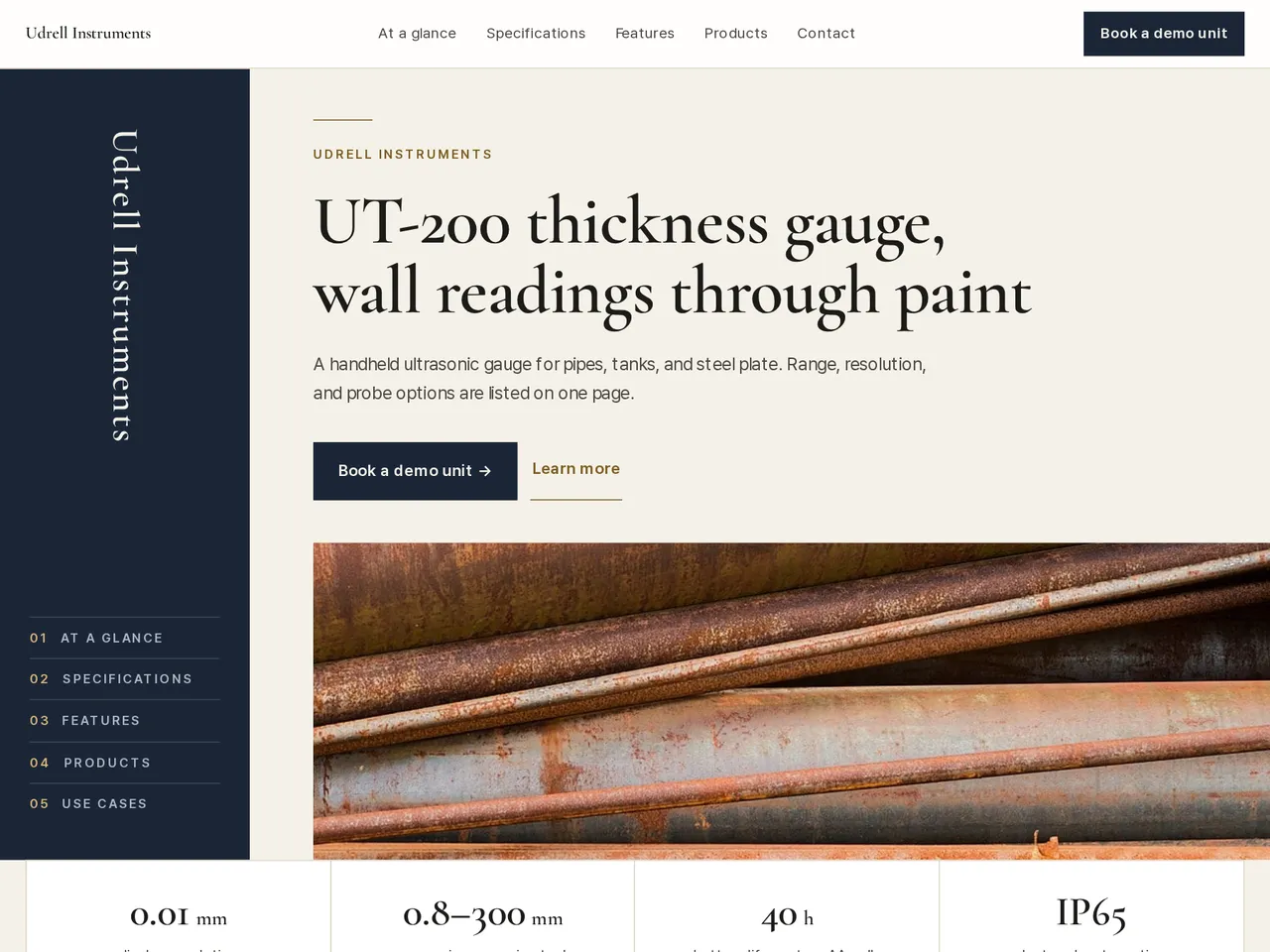
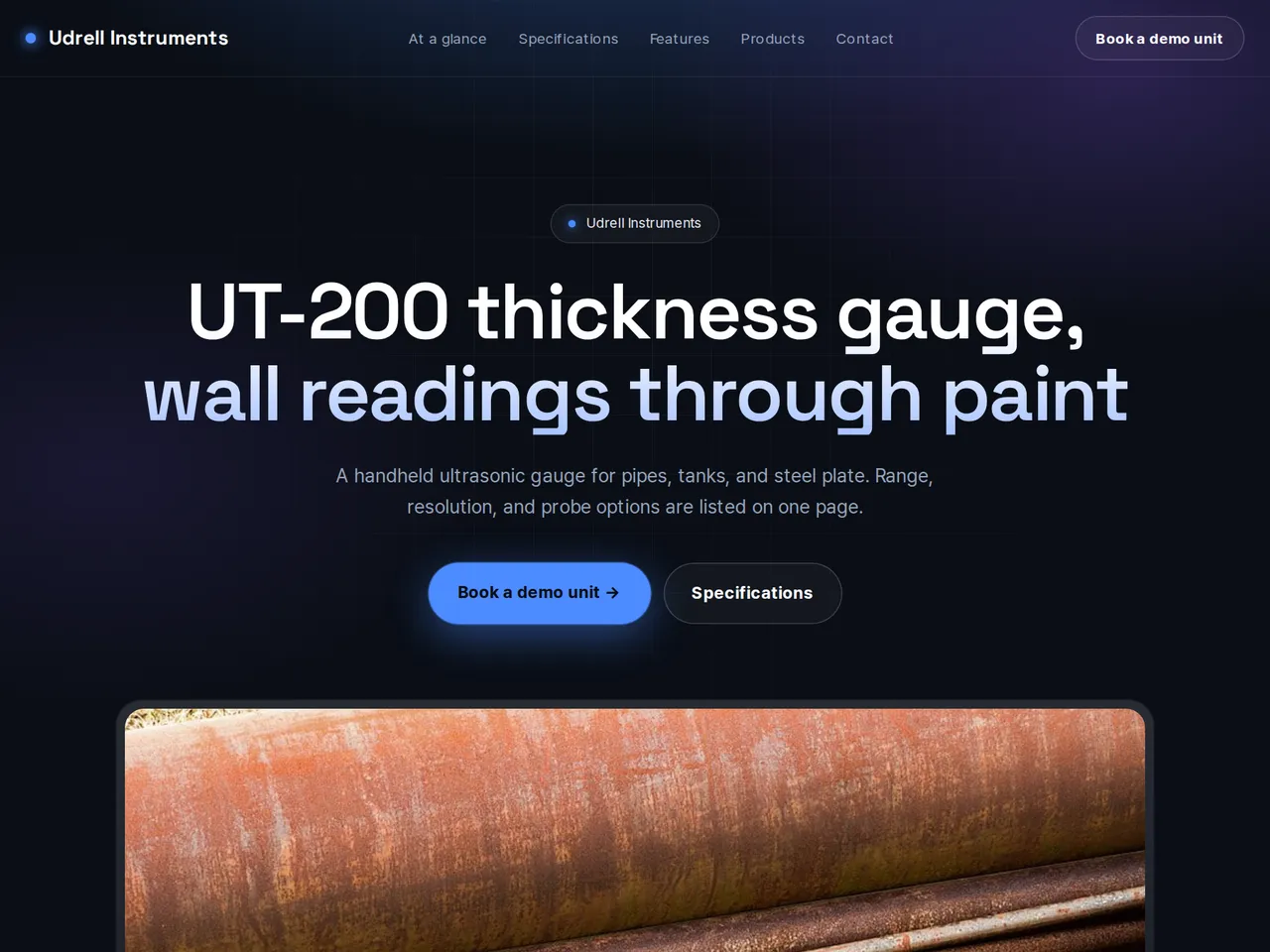
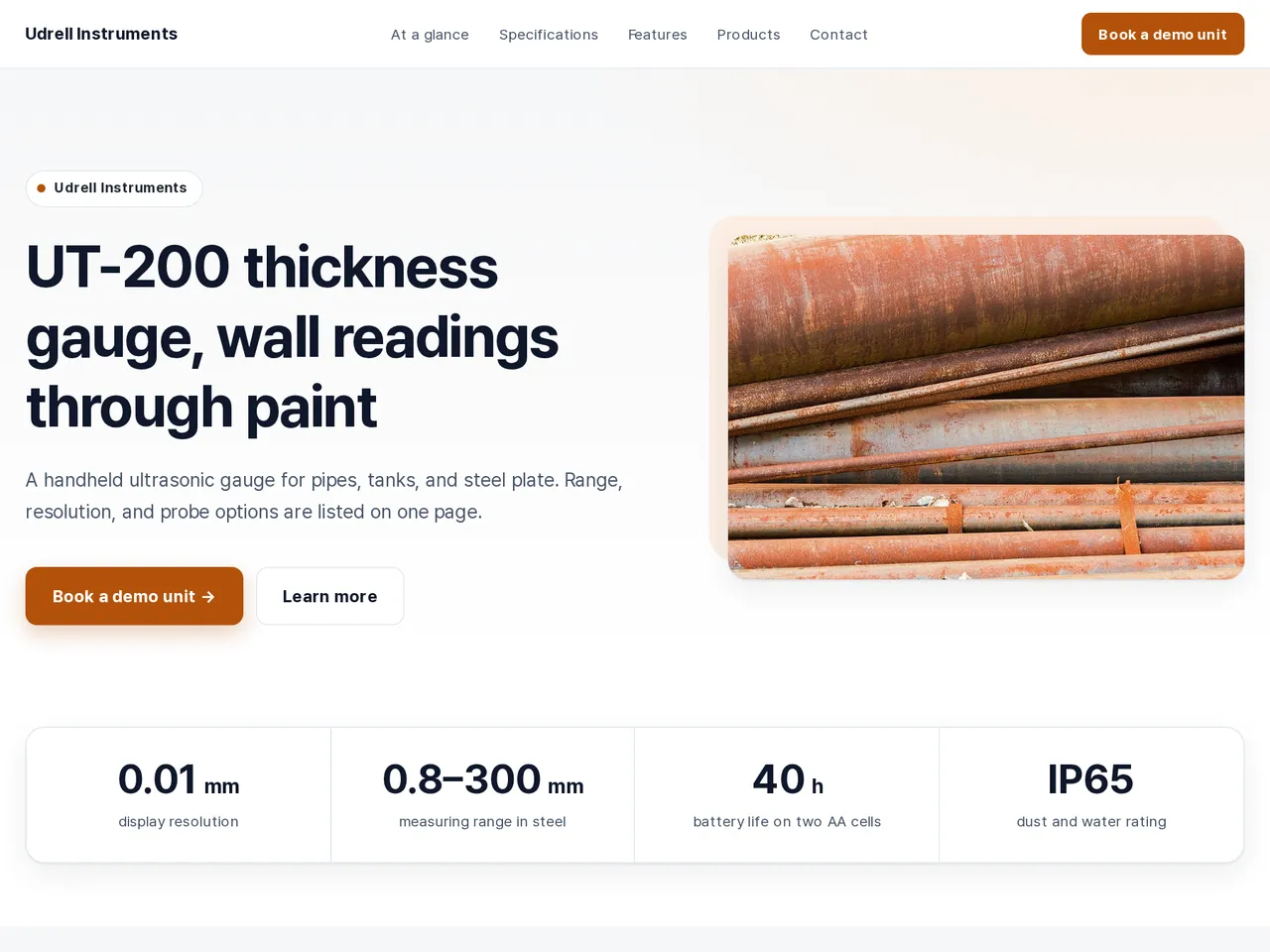
데모 유체기술 / Demo Fluid Systems — a LabChure example made for a fictional company. Source quotes, language switching, and file downloads work on the published page.
Sample brochure for a fictional company — the name, products, and figures are examples.
Who reads it
Engineers and purchasers checking whether one model fits their use. They look at the key specs and ask for samples or details.
What to upload
The model's spec sheet or datasheet · measurement conditions · drawings and photos if you have them
Suggested design
Preview design: Spine · Navy · Every template can use any of the 20 designs. You can change the design after the brochure is made, and your content stays the same.
Preview design: Tech · Blue · Every template can use any of the 20 designs. You can change the design after the brochure is made, and your content stays the same.
Preview design: Corporate Clean · Charcoal · Every template can use any of the 20 designs. You can change the design after the brochure is made, and your content stays the same.
If something is missing
Related models, case studies, or certifications that are not in your files are left out. Only this model's values are used.
- ✓Range, resolution, accuracy, and conditions in one table, each value linked to its source page.
- ✓Probes, calibration blocks, and other accessories listed next to the instrument.
- ✓Versions in several languages on a unique URL, with a QR for the instrument case or a quote.
Full specification
From the sample brochure for Udrell Instruments, a fictional company. Names, products, and figures are examples.
| Item | Value | Note |
|---|---|---|
| Measuring range | 0.8–300 mm | Steel, standard probe |
| Velocity range | 1,000–9,999 m/s | Set by material or calibration block |
| Through-coating | Coatings up to 2 mm | Echo-to-echo mode |
| Data storage | 50 files × 100 readings | USB export to CSV |
| Operating temperature | −10 to +50 °C | Probe face up to 60 °C |
What's included
The first draft is built in this order
- 1Hero — headline and value proposition
- 2Specifications — sourced spec table
- 3Features — key highlights
- 4Call to action — inquiry and next step
- 5Contact — how to reach you
Added only when your files cover them
- Key figures
- At a glance
- Products — same series or used together
- Case studies
- Certifications & awards
- Links
After it is made, you can hide sections or change their order in the editor. Use “Add section” to add sections this outline doesn't include, such as an FAQ, downloads, or a gallery.
How it works
- 1Upload your documents — PDF, PPTX, DOCX, XLSX, HWP, images.
- 2AI writes each section, every spec cited to your source.
- 3Publish to a unique URL, in multiple languages.
Frequently asked questions
Will tolerances like ±(0.5% + 0.04 mm) come through as written?
Values are taken from your datasheet and cited. The review shows each figure next to its source, so you can check it before you publish.
Can I add accessory part numbers?
Yes. If your files list probes and accessories, they get their own section with part numbers.